
How to Stop Pastry Sticking to a Baking Tray?
Making pastry at home should be a rewarding task, from sausage rolls to pies and tarts, or flaky puff pastry delights. However, one common issue that frustrates many UK home bakers is pastry sticking to the baking tray. If you're wondering how to stop pastry sticking to a baking tray, you're not alone. You mix your dough, put it in the oven, and everything seems on point - until you remove it all. In an instant, your meticulously baked pastry tears, sticks, or crumbles into pieces.
The good news? This problem is completely avoidable. With the right techniques and materials, and a baking sheet - like those from ThingsPlus Baking Tray - it is possible to ensure that your pastry releases cleanly every single time. In this practical UK guide, we look at why pastry sticks, how to prevent it, and tips for getting consistently good results.
Why Pastry Sticks to Baking Trays?
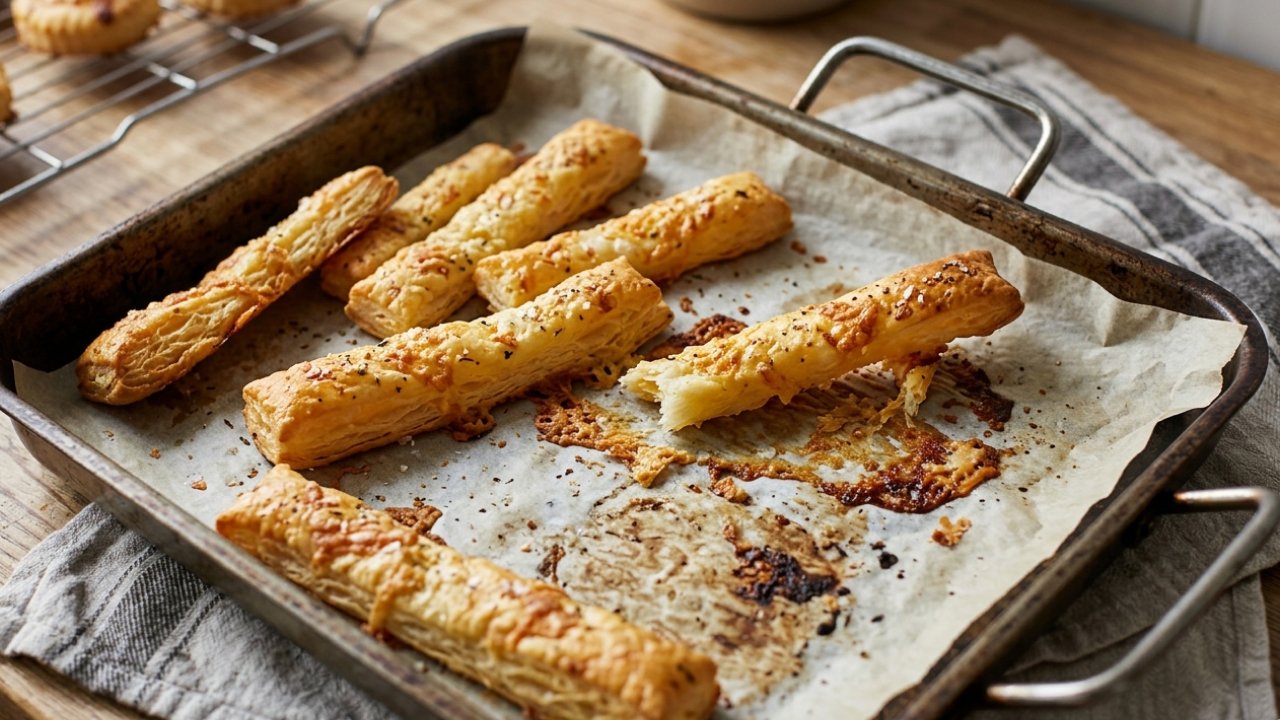
The problem will only start with understanding the cause of how to stop pastry from sticking to a baking tray. But the causes of pastry sticking are not random; they typically come from somewhere in between heat, moisture, and any surface involved. Some common reasons for sticking are:
- Improper greasing or lining: Pastry dough can stick directly onto the tray when baking unless the trays are made or prepared correctly.
- High sugar content: Sweet pastries release sugars that caramelize and adhere to the tray.
- Low-quality or worn baking trays: Even older trays are apt to lose some of their non-stick coating, inviting the possibility that if you don't watch it closely, things may just start sticking.
- Incorrect oven temperature: If the temperature is too low, pastry can sweat and stick; if it’s too high, sugars will burn and caramelize onto the tray.
- Moisture from fillings: When you have a pie or tart with juicy fillings, there may be some leakage that results in everything sticking around the edges.
Understanding How Heat Interacts With Surfaces
Fats melt, and sugars caramelize during the baking of pastry. These components can serve to effectively “glue” the pastry to whatever surface is present if there isn’t any separation between them.
- Fat breakdown: If not properly managed, butter or margarine melts and can stick to the tray.
- Caramelization effect: As the sugar cools, it solidifies to become sticky residue.
- Surface texture matters: Bumpy or damaged trays create friction and sticking.
How to Stop Pastry Sticking to a Baking Tray?
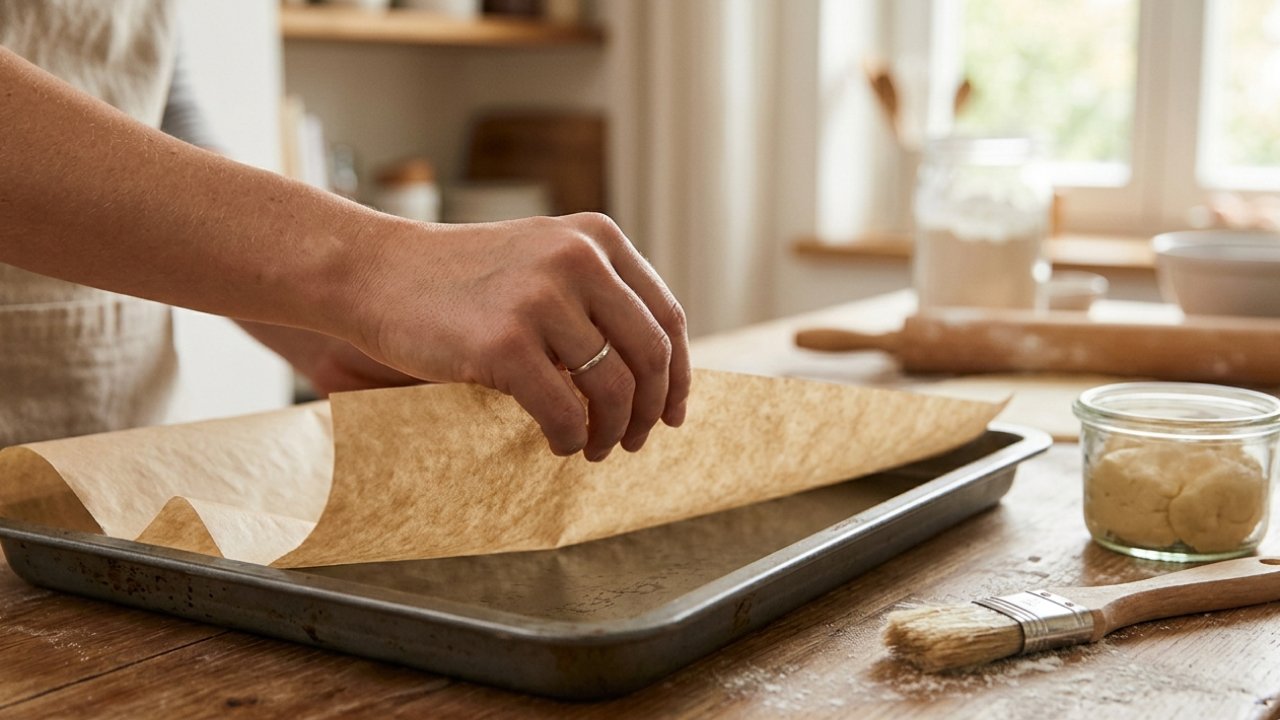
Preventing sticking is easier than fixing it after it happens. The key is preparation, technique, and using the right tools.
Always Line Your Baking Sheet Correctly
Proper tray preparation is the simplest and one of the most effective steps.
- Grease the tray lightly: Coat with butter, oil, or baking spray.
- Use parchment (baking) paper: It creates a nonstick layer between the pastry and the tray.
- Avoid excessive grease: Pastry may fry instead of baking through if too much grease is used.
Grease the tray properly so that the greaseproof paper will not stick to it, so your pastry gently lifts away without tearing.
Use a High-Quality Non-Stick Baking Tray
Not every tray is created equal. A good quality tray can work wonders to prevent sticking.
- Non-stick coating: Offers a smooth surface that prevents food from adhering.
- Even heat distribution: Provides consistent baking and minimizes hot spots.
- Durable construction: Prevents warping and maintains performance throughout the years.
These features make ThingsPlus baking trays suitable for pastry baking in UK kitchens.
Control Oven Temperature
Temperature is another very important aspect of the way pastry behaves during cooking.
- Preheat the oven properly: Initiating at the proper temperature guarantees even cooking.
- Follow recipe guidelines: The majority of pastries bake nicely at the 180 - 200 °C (fan 160 - 180°C) range.
- Avoid opening the oven too often: This can stir temperature fluctuations and uneven baking.
Controlled heat allows the pastry to set quickly, which lessens stickiness.
Dust with Flour or Semolina
Even a light dusting can provide another layer of protection.
- Use plain flour: Dust a little over the tray before laying down the pastry.
- Try semolina or cornmeal: They leave a little bit of texture, which keeps it from sticking.
- Avoid overuse: Your pastry can be negatively impacted by too much use of flour.
It is a technique that works particularly well for rustic bakes such as pies and galettes.
Let Pastry Cool Before Removing
Timing is crucial when taking baked goods off the tray.
- Allow partial cooling: This allows the pastry to lift and loosen naturally.
- Avoid removing too early: It is softer and tears more easily, like hot pastry.
- Use a spatula gently: Lift without destroying the base slide underneath.
How to Stop Potatoes from Sticking to Baking Trays?
Pastry is the main culprit, but sticking problems crop up with quite a lot of food - potatoes being a regular in UK cooking. Common tips for roasting potatoes:
- Use enough oil: Coating potatoes evenly prevents sticking.
- Preheat the tray: Adding potatoes to a hot tray helps crisp them right away.
- Turn halfway through cooking: Provides uniform browning and prevents sticking on one side.
- Avoid overcrowding: Space allows proper roasting rather than steaming.
- Use non-stick trays: Reduce the use of excessive oil.
- Dry potatoes before roasting: Helps to remove extra moisture that can lead to sticking.
How to Prevent Cookies from Sticking on the Baking Sheets?
Just like cakes, cookies are simply another bake where sticking can compromise the result.
Key Techniques
- Use baking parchment: Provides a reliable non-stick surface.
- Avoid overbaking: Burnt sugar increases sticking.
- Let cookies cool slightly: They become more solid and peel away more easily.
- Use silicone mats: An eco-friendly alternative to parchment paper.
- Choose quality trays: The difference is made by nonstick surfaces.
- Space cookies properly: Prevents spreading and sticking together.
Choosing the Right Baking Tray Surface
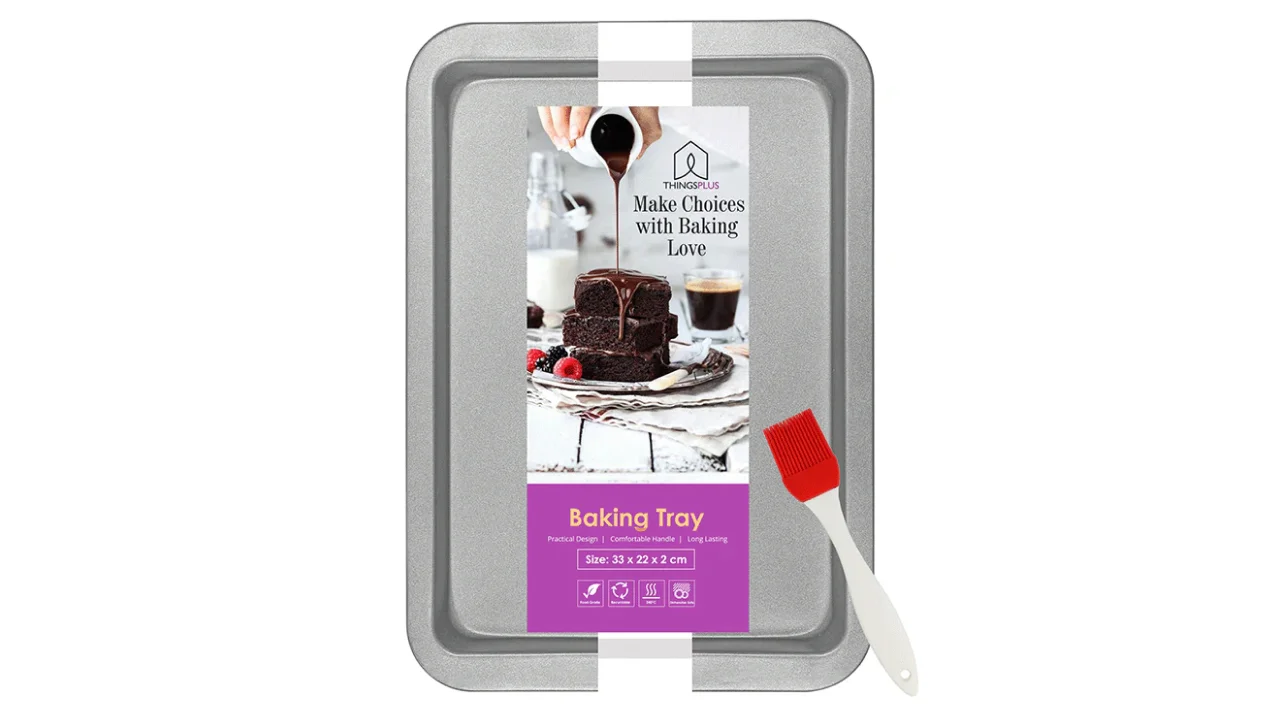
Your baking tray surface is one of the first things that can be a hindrance to your success or help you bake.
Types of Baking Tray Surfaces
-
Non-stick coated trays
- Easy release
- Minimal greasing required
- Ideal for most baking tasks
-
Aluminum trays
- Excellent heat conduction
- May require lining
- Lightweight and versatile
-
Enamel-coated trays
- Durable and scratch-resistant
- A bit less non-stick than coated versions
Common Mistakes to Avoid
Of course, even the most skilled bakers can run into problems if certain errors are made. There are some common mistakes to watch out for:
- Skipping tray preparation: Leads to immediate sticking problems.
- Using damaged trays: Scratches and wear decrease non-stick performance.
- Overfilling pastries: Causes leakage and sticking.
- Incorrect oven settings: Affects how pastry bakes and releases.
Conclusion
The trick to keeping pastry from sticking to a baking sheet is knowing how it works and using the right methods. Small changes like using a good baking tray, proper preparation of the trays, and moisture control can have huge effects.
With these tips, you can bake pies that release easily, look good, and taste even better. ThingsPlus baking trays have the strength, reliability, and performance you need to make baking easier and more enjoyable, whether it's pastries, cookies, or classic UK bakes.
Read More:
0 comments