
The Right Way to Grease a Baking Tray For Perfect Results
The proper way to grease a baking tray can make all the difference, whether you are baking a sponge, roasting vegetables, or preparing brownies. Sticking mishaps and complete clean-ups that don't come free of charge are inevitable if this simple job isn't done well.
Many British bakers still do not understand the thought. Too little grease means sticking; too much grease will give you fried edges and a greasy bottom, along with other problems that make it hard for you to produce high-quality bakes. When applied properly, greasing not just saves expenses in ruined bakes but also protects your ovenware.
Within the following comprehensive guide, we’ll let you know everything from butter greasing methods to when using paper is preferable for lining trays.
Why Does It Matter That Baking Sheets Are Greased?
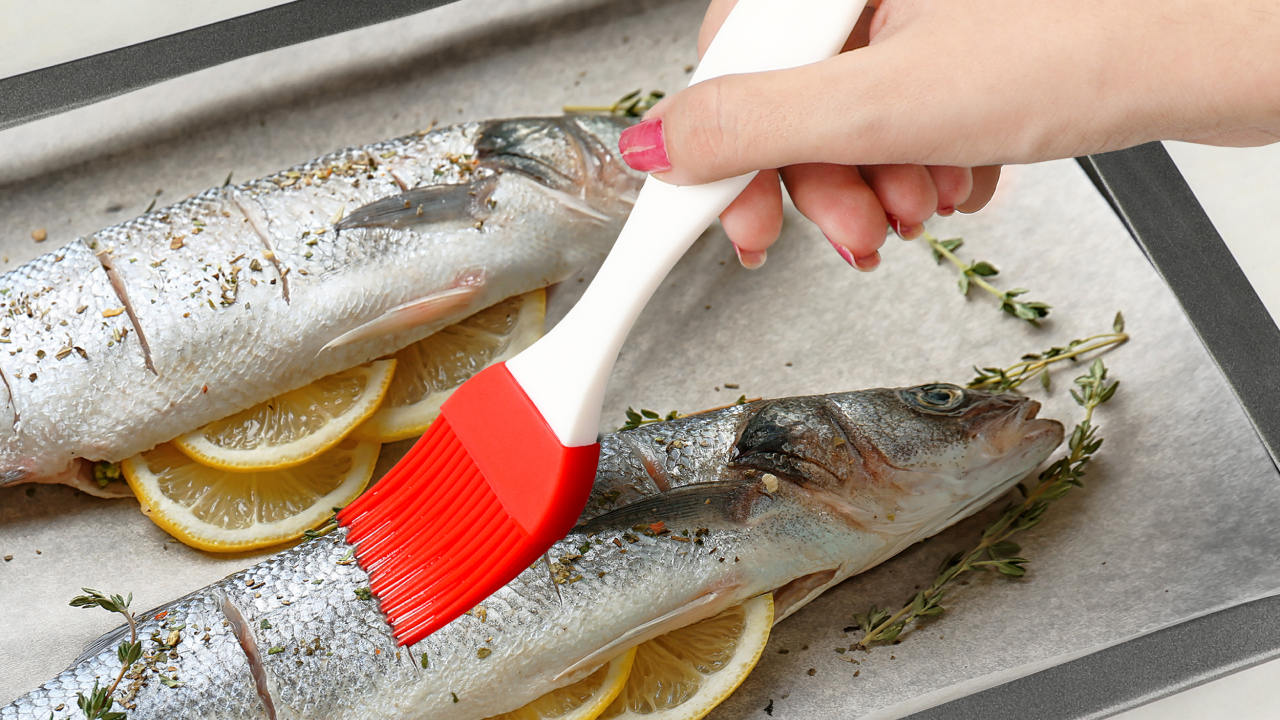
It is not that greasing merely prevents sticking: texture, structure, and sight are all affected by it as well. This is what makes it important:
- Prevents cakes and bakes from sticking
- Preserves non-stick coatings
- An even tan is certain
- Edge texture is improved
- Makes cleaning a baking tray much easier
In many UK kitchens, particularly when it comes to traybakes, brownies, or filming roasts, greasing away properly saves time and grief.
Skipping this step usually results in:
- Cakes with large chunks, top left
- To be scratched
- Couldn't be cleaned
- Damaging the surface of the pan
The power of greasing is in the minor details.
The Proper Way to Grease an Oven Tray
For almost all baking trays, the following basic method will do nicely.
Basic Method
What you'll need:
- Butter, margarine, or oil
- Pastry brush or kitchen paper
Step-by-Step:
- Make sure the tray is clean and dry
- Put a small amount of grease in the center.
- Spread it evenly across the base.
- Lightly cover the sides if you are baking cakes or traybakes.
- Be careful not to leave any thick pools of grease.
The trick is to have a layer that's even and thin rather than clumps you can see.
How to Grease a Baking Tray with Butter?
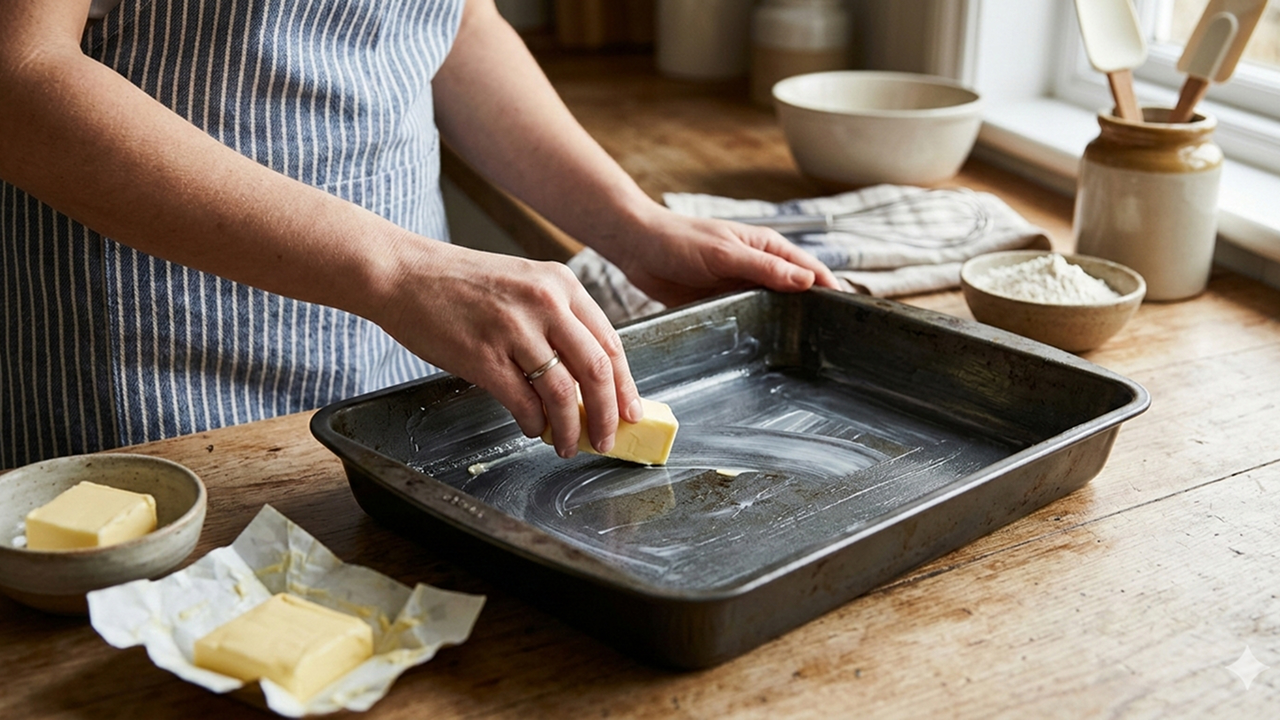
Britain‘s baking industry has traditionally used this. Furthermore, it adds flavor and will give you a glorious golden edge.
Why Use Butter?
We use butter because it:
- Adds a subtle richness
- Helps in browning
- Ideal for cakes and biscuits, to ensure no split
Method:
- Use softened butter (it must not be melted).
- Use your hand or spatula to spread the butter.
- Make sure corners and edges are fully coated.
- For sponge cakes, lightly dust with flour (optional but highly recommended).
How to Grease and Line a Baking Pan?
If you require both greasing and lining for these delicate brownies and sticky traybakes. You’re at the right place.
Why Grease Before Lining?
Parchment sticks down flat to the tray more easily while pouring batter if it has already been greased.
Step by step:
- Lightly grease the tin.
- Cut parchment paper to fit the base.
- After greasing the surface, put a layer of parchment on top and press firmly.
- Sometimes it is a good idea to lightly grease the parchment paper above as well as below.
- Read the recipe and follow its recommendations.
This method is best for: brownies, flapjacks, lemon drizzle traybakes, and sticky toffee cake. As a result, each time you get a cake with easily lifted sides.
Grease versus Baking Paper - What's Better?
Many wonder whether to grease the tray or use a sheet of baking paper. The answer is that it depends on what kind of baking you are doing.
When to Grease
- Roasting vegetables
- Yorkshire puddings
- Savory pastry cookery
- Biscuits
Grease is good for adding crispness to the bottom of a cake.
When to Use Baking Paper
- Sticky items: caramel, honey
- Delicate sponge cake
- Brownies
- Meringues
Baking paper saves from breakage and tears.
When Both Work Fine
For sure results with traybakes and celebration cakes, give it a double dressing of both grease and baking paper. Because this way it is easiest to get the cake out, and it comes out nice all around without little frayed ends.
How to Get Grease Off a Baking Tray?
Greasing performs a necessary function - you need it as a release agent - cake would stick to the pan without grease. But if grease is left over on the tray, baking again (especially at faster speeds) will create build-up quickly. This has an impact not only on how the cakes come out but also on what happens in your oven.
Greasy smoke in the oven means that other foods acquire a greasy taste. So some method must be adopted for cleaning in order not to let these problems worsen.
Daily Cleaning Method
- Let tray cool.
- Wipe off excess grease with a kitchen roll.
- Splash hot water onto to dilute and wash out the greasy liquid.
- Wash with warm water and dishwashing liquid. Stir in soft sponge only.
- Dry thoroughly.
- Avoid harsh scrubbing - especially on non-stick trays.
- Some trays are both metallic and non-stick, so be gentle when cleaning.
Removing Stubborn Grease
If the grease is too stubborn and does not go away with general cleaning, try the baking soda method. Sprinkle baking soda over greasy areas.
- Add warm water to form a paste.
- Leave for 1-2 hours.
- Wipe gently.
- Fill the tray with hot water.
- Drop in a dishwasher tablet.
- Leave overnight.
- Wipe clean the next day.
Never use steel wool or metal scrapers on bakeware.
How Much Grease Is Too Much?
Over-greasing is very common and can cause:
- Fried cake bottoms
- Greasy edges: the oil runs down the sides of the cake
- Excess smoke in the oven
- Uneven texture
You just need a thin, even coating. If you see thick shiny pools, then it's too much.
Best Oils for Greasing a Tray
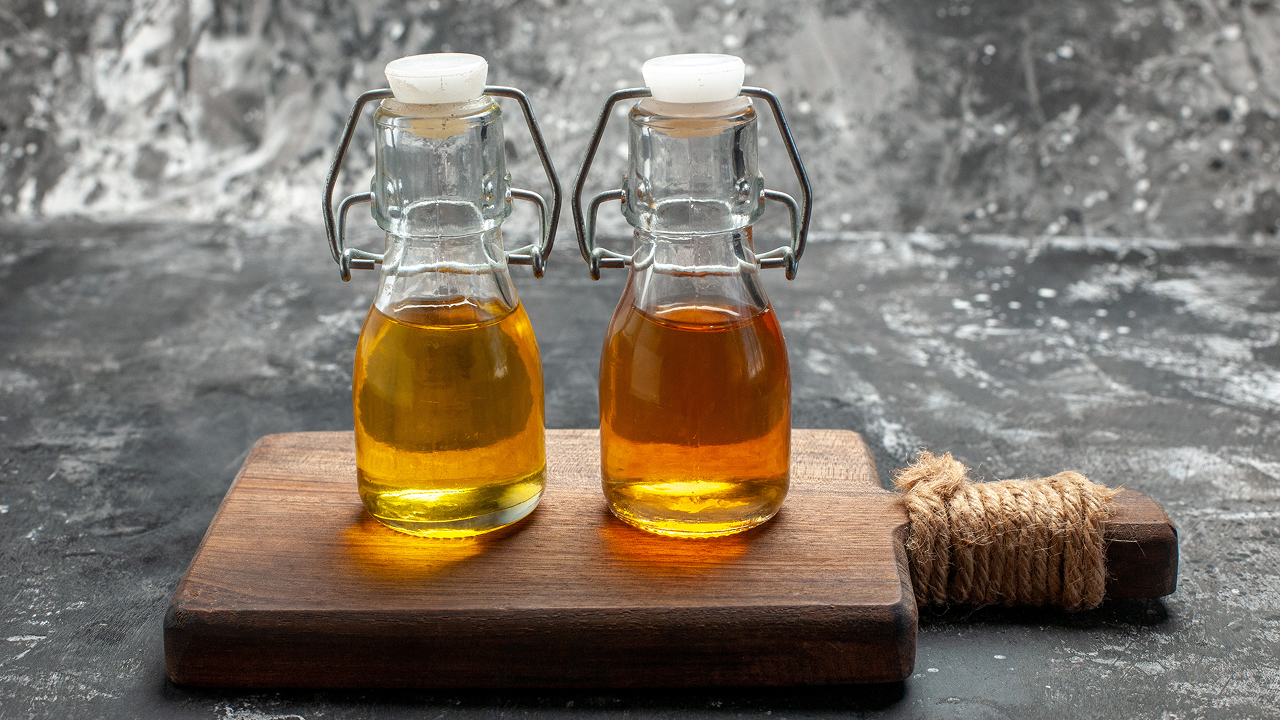
Oils are another option if you do not use butter.
-
Vegetable Oil
- Neutral flavor
- Affordable price
- Good for high temperatures
-
Sunflower Oil
- Popular with British cooks for frying eggs
- Light and clean
-
Coconut Oil
- Adds a subtle sweetness to baking
- Best for sweet bakes
-
Olive Oil
- Ideal for savory dishes. Its flavor would ruin a cake, however
Do not grease the tray. Just let the heat of the oven do that for you!
Common Greasing Mistakes to Avoid
Even experienced home bakers make these mistakes while baking:
- Greasing a hot tray
- Using too much oil
- Forgetting the corners
- Using cooking spray excessively
- Not greasing "non-stick" trays
(Non-stick does not mean non-greasy; it means that baked foods will not stick as easily onto the surface.)
Best Baking Trays for Non-Stick Baking
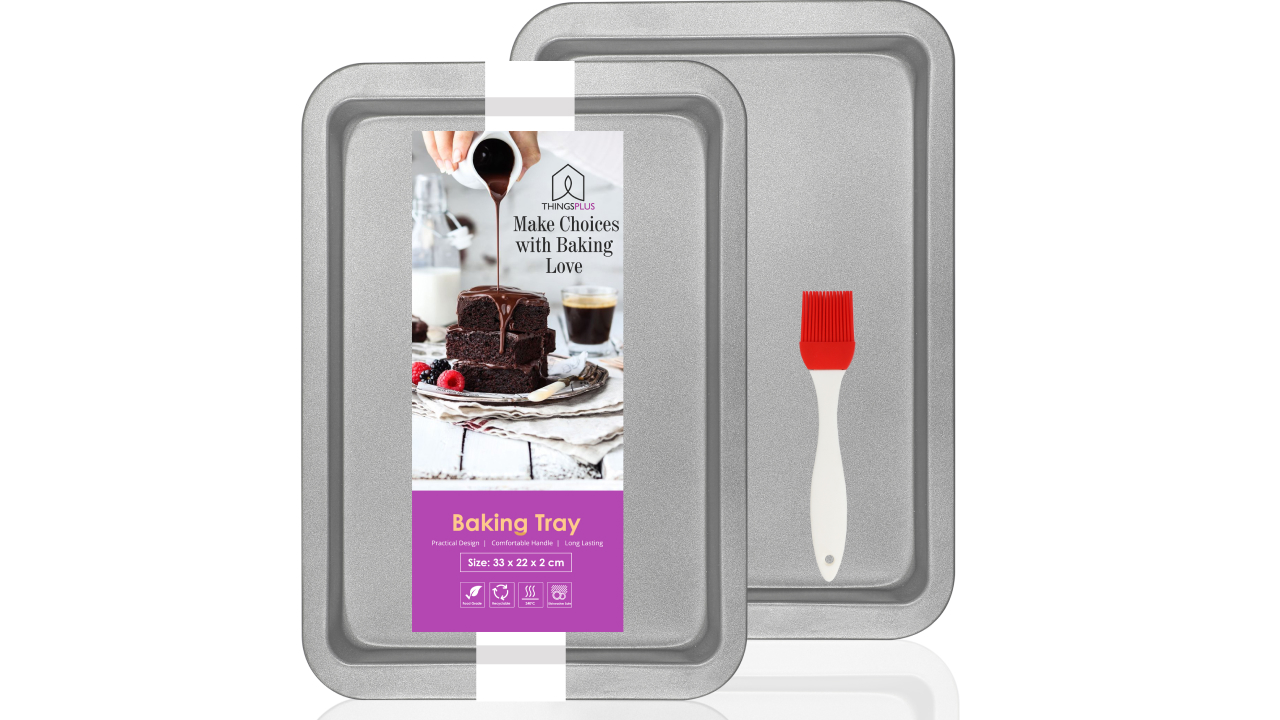
How much greasing is done depends largely on the type of tray itself.
Non-Stick Carbon Steel Trays
- Excellent heat distribution
- Need only light greasing
- Proper care results in a long life
- Good for daily use
Heavy-Gauge Aluminum Trays
- Heats up extremely fast
- May want lining for sticky recipes
- Need a regular lick of grease
Enamel-Coated Trays
- Durable
- Easy to clean
- Light greasing is best for good results
Silicone Trays
- Naturally non-stick
- Needs only a little greasing
- Top for cakes and muffins
- But they won't brown as evenly as tin trays
Should You Use Cooking Spray?
Convenient, but soluble spray build-up causes stickiness. When using spray:
- Spray lightly.
- Do not overspray.
- After use, clean firmly.
- Repeated heavy spraying can ruin the non-stick surface.
UK-Specific Baking Tips
Tailored tips for British favorites:
-
Victoria sponge
- Grease and line only the bottom for a good rise
-
Flapjacks
- Full line and grease - syrup is very sticky.
-
Yorkshire Puddings
- Use oil and heat the tray before pouring in the batter.
-
Roast Potatoes
- Grease the tray with hot oil for a crisp finish.
How Often Should You Replace a Cooking Tray?
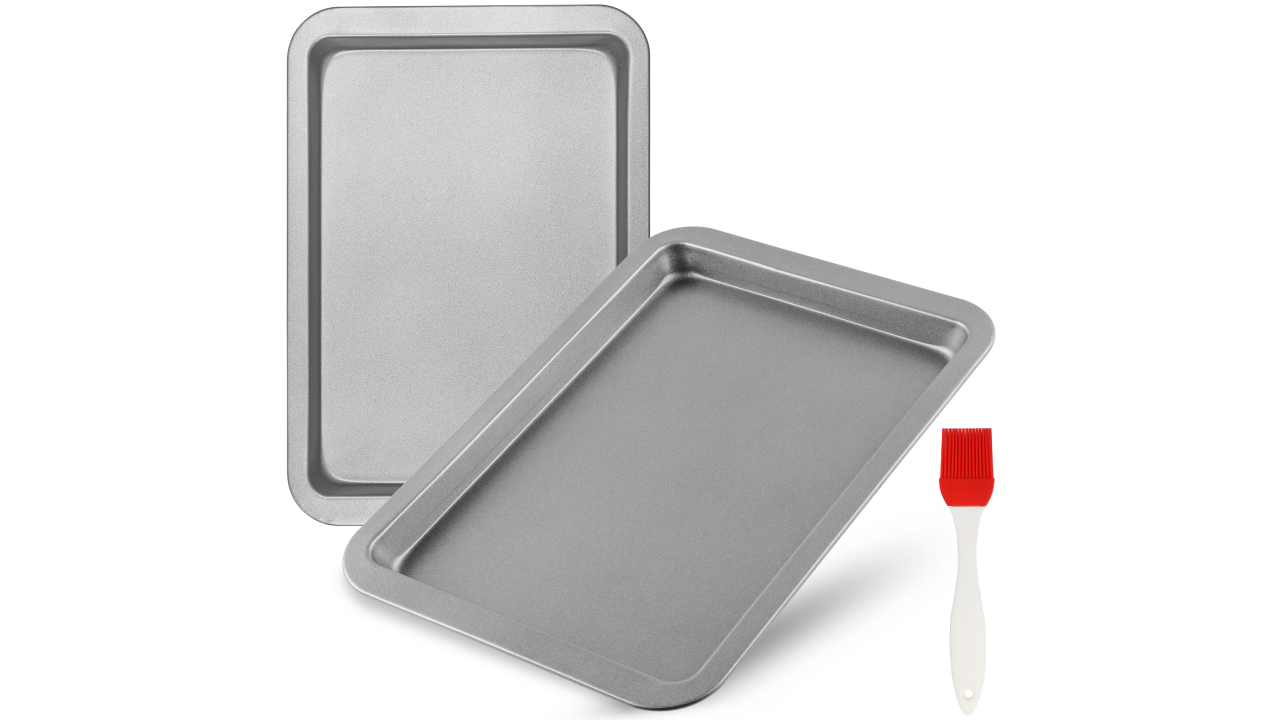
If even greasing won't keep things from sticking, your tray may be on its last legs — meaning it might be time to replace it with the right baking tray.
- Non-stick finishes are scratchy
- The top is heavily scarred
- Warping affects the bake
- Rust sets in
A good tray maintained properly could be good for several years.
Conclusion
Properly greasing a baking pan is a relatively simple but necessary skill for perfect baking.
A sleek, even coating can bring:
- Release from the pan
- Better coloration
- Fine texture
- Easier clean-up
No matter what you choose - whether butter, oil, wax paper, or any mixture - what you want to maintain is the 'golden mean', not too much and not too little.
0 comments